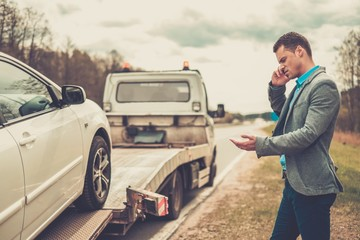
What to Do When Your Car Breaks Down on the Road

Tow Truck Companies Colorado Springs

If you break down on the highway, your first priority is safety. Try to steer your car as far off the road as possible and away from oncoming traffic.

Turn on your hazard lights and stay in your car until help arrives. Only attempt simple repairs like changing a flat tire if you are well off the road and safe from traffic. Contact Tow Truck Companies Colorado Springs for more information.

Call for Help

Experiencing a breakdown on a highway can be an extremely stressful and dangerous situation. With cars, trucks and SUVs zooming by at high speeds, it’s important to stay calm and follow the tips in this article to keep yourself safe.

In most cases, the Insurance Information Institute recommends that you remain inside your vehicle with your seat belt fastened and turn on your hazard lights. This signals to passing motorists that you’re stranded and need assistance. If it’s safe to do so, slowly move your car off the road onto a wide shoulder or away from traffic. If possible, try to position your vehicle behind an embankment, traffic barrier or guardrail for added safety.

Once your car has been safely moved to a safer spot, activate the emergency brake and keep it engaged. It’s important to avoid slamming on the brakes as this can cause your vehicle to roll back into traffic. Once you’re in a safe location, check to make sure your doors are locked and that your seats are secure.

Next, it’s a good idea to call for help. Most car companies have customer service numbers that you can use to contact them for assistance. You can also contact the police and report your breakdown to them. They will likely dispatch a patrol vehicle to your location to direct traffic around you, making you more visible to drivers and improving your odds of getting assisted quickly.

If you don’t have a cell phone, you can try to signal passing motorists by waving your arms or using a flashlight to attract their attention. You can also use a flare or warning triangle if you have one and place it at a distance from your vehicle to alert other drivers that you need assistance.

Move to a Safe Place

When your car breaks down on a busy road or highway, it’s essential to take steps to prioritize your safety. Staying calm and assessing the situation can help you make better decisions, minimizing your risk of accidents. If you can safely move your vehicle, try to steer it away from moving traffic and onto a shoulder or parking lot. If you can’t move your vehicle, turn on your hazard lights and raise the hood to signal that you need assistance.

Unless you’re certain it’s safe to exit your car, always remain inside and keep your seatbelt fastened while waiting for assistance. Exiting your vehicle on a busy highway or roadway puts you at risk of being hit by other drivers, especially if it happens while passing trucks or vans are traveling at high speeds. It’s also important to remember that leaving your car unattended could put you at risk of theft or vandalism.

Aside from keeping your doors locked, you should also consider putting up a warning sign or putting out flares to signal your location to other motorists. This can help them navigate around you and avoid collisions, ensuring your safety while waiting for help.

Another option is to call the police and let them know that your vehicle has broken down on the roadway and needs assistance. They can put their much more visible vehicle behind yours and direct traffic around you, ensuring that everyone’s safety is kept in mind. Additionally, the police will notify a local roadside assistance provider, who may be able to assist you sooner than if you called on your own.

In addition to staying inside your vehicle, you should also lock your doors and close all windows. This will help prevent thieves and vandals from accessing your vehicle while you wait for assistance. Additionally, you should avoid accepting rides from strangers, even if they claim to be a tow truck driver or other roadside assistance provider. This can be a dangerous and inconvenient way to get to your destination, and it could lead to further problems with your vehicle.

Turn on Hazard Lights

A car breaking down on a busy road is an extremely stressful experience. As cars, SUVs and semi-trucks zoom by at high speeds, panic is a common reaction that can lead to poor decision-making and increase the risk of accidents. However, knowing what to do when your car breaks down on the road can help keep you safe and reduce stress in an already stressful situation.

The first step is to turn on your hazard lights to warn other drivers of your vehicle’s presence. Next, try to move your vehicle to a safer location off the highway, such as the shoulder or a nearby parking lot. If you have a breakdown kit, it’s a good idea to use the included reflective triangles or flares to make your vehicle more visible. Also, if it’s dark outside, turning on your interior lights can help illuminate your vehicle.

Once your vehicle is out of the way of traffic, it’s important to call for help. Depending on the severity of your breakdown, you may want to contact 911 or your normal roadside assistance service. When calling for help, provide detailed information about your vehicle and the nature of the problem. Also, make sure to stay on the phone until you receive confirmation that help is on the way.

If it’s safe to exit your vehicle, exit through the passenger side door away from traffic and stand far back – behind a guardrail, for example – while waiting for assistance. Drivers tend to steer toward whatever they’re looking at, so it’s best to remain hidden from the roadway while you wait for help.

If you can’t exit your vehicle, stay in the car with the seat belt fastened and hazard lights on. Unless you are on a paved shoulder that is fenced off from the travel lanes, it’s generally safer to stay in your vehicle than attempt crossing a busy highway to get help. Besides, it’s not uncommon for drivers to lose control of their vehicles due to sudden problems like a flat tire or engine trouble. Preventive maintenance and regular inspections can help prevent many breakdown-related issues, but sometimes even the best-maintained cars have mechanical problems.

Stay in Your Car

If your car breaks down in the middle of traffic, the most important thing is to stay in your vehicle. Even if you can’t make it off the highway, try to pull to the right (or left if you normally drive on that side) of the road and away from traffic as much as possible. You should also turn on your flasher lights, raise your hood and put up reflective triangles or flares (if it’s night) to help other drivers see you.

If it’s safe to do so, you may want to open your passenger door to exit your car and move off the roadway onto the shoulder if that’s an option. However, remember that many breakdown injuries occur when drivers exit their vehicles on busy roads.

When you get to a safer spot, you should still be careful not to leave your vehicle unattended. You should have a visible note on your dashboard with your first name, cell phone number and destination or departure time to inform any passing motorists that you’ve broken down. You should also roll up your windows and lock your doors.

While you wait for assistance, it’s a good idea to have a blanket, water and snacks. It’s also helpful to have a first aid kit for any injuries or illnesses that might arise. If you’re stranded on the side of the road, it’s best to decline any offers of help from strangers unless they’re a professional service such as a police or tow truck driver.

As you continue to wait for help, keep your vehicle’s headlights on and your parking brake set to ensure that your vehicle doesn’t roll back into traffic. Be sure to check your mirrors regularly so you can be aware of any approaching vehicles. Also, do not touch any parts of your engine or radiator to avoid burning your hands. It’s not worth the risk!
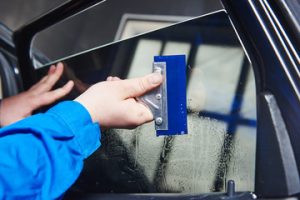
How to Choose the Right Type of Window Tint for Your Vehicle

Window tint regulates light, solar heat and UV rays to keep vehicles cool and comfortable while also maintaining the interiors aesthetics and resale value. It also helps to lower energy costs, protects against health risks and glare, as well as provides privacy and curb appeal.

Window Tinting

Denver Window Tint is available in a wide range of darkness levels. They are generally classified by their Visible Light Transmission percentage (VLT%), allowing you to choose the right level of dark tint for your vehicle.

If you’re looking for a way to boost privacy without compromising natural light, privacy window tints are the perfect solution. They block out harmful UV rays and keep your living space cooler while adding a modern look to your windows. In addition to enhancing privacy, these films can also reduce glare on computer screens and televisions. Many of them also come with a DIY kit, making them easy to install. The Coavas Privacy Window Film, for example, comes with a non-adhesive design and a translucent finish that ensures privacy without sacrificing natural light.

Other options include the Rabbitgoo Privacy Window Film and the HIDBEA One Way Window Tint. Both offer UV protection, energy efficiency, and decorative appeal, but the Coavas Privacy Window Film is a favorite among consumers. It obscures views from the outside, while still allowing light to pass through, and features an elegant frosted design that adds style to your windows. This film also reduces glare and helps lower your cooling costs during the summer.

The Coavas window tint is also easy to apply and remove, which makes it a great option for renters and those who don’t want to commit to permanent window changes. It uses a self-static cling technology that allows it to adhere to glass surfaces without the need for adhesives. It also has a matte finish that hides fingerprints and smudges.

Window tints are an affordable and quick way to upgrade your home. They provide UV protection, energy efficiency, and enhanced privacy, and they can help you save on energy costs and protect your furniture from fading. Most of these products are available on major online marketplaces, and they come in various styles to suit your taste. Some even have a minimalist or industrial aesthetic, which can complement your office or living room.

Metalized Film

A step up from dyed tints, metalized window tints have tiny metallic particles embedded within their layers to give them a reflective appearance and enhance their heat-rejection capabilities. Suitable for many climates, metal tints can help keep your vehicle or home cooler and reduce your reliance on air conditioning to save on energy costs. These tints also block a significant amount of UV rays to protect against skin damage and the fading of interior materials like leather and plastic.

While effective, metal tints can sometimes interfere with electronic signals, such as those sent out by cell phones and GPS systems. This can impact functionality and lead to a loss of signal accuracy, so it’s important to consider this risk when choosing this type of tint. In addition, metalized tints can lose color over time and have a reflecting appearance that may not suit the aesthetics of all vehicles or homes.

Another benefit of metalized tint is its increased durability, which makes it less prone to scratching and fading over time. This means that your windows will look good for a longer period of time, which can be a huge benefit for those who regularly drive or park their cars in sunny areas.

Professional installation is recommended for metalized tints to ensure a high-quality application and maximum performance. Additionally, some of these tints come with warranties and maintenance requirements that you should be aware of before making a purchase.

Dyed window tints are affordable and easy to install, which make them a popular option for those who want to save money and still get some basic benefits, such as glare reduction and heat rejection. However, dyed tints have a tendency to fade over time and can cause eye strain in certain lighting conditions. In addition, they don’t offer very high levels of heat rejection and may obstruct the use of some electronic devices.

Dyed tints can have a dark, sleek appearance that some car owners find appealing. They can provide some level of heat rejection and can block UV rays, but they don’t offer the superior glare reduction of ceramic or metalized tints. They can also interfere with the signal accuracy of some electronic devices, such as mobile phone and GPS.

Ceramic Film

Window tint is a common car accessory that offers a range of benefits, from increased privacy to cooler interiors. Choosing the right type of window tint for your vehicle can be challenging. There are several different options, including regular and ceramic tint, with varying features and price points. If you’re looking for a premium tinting solution with superior performance, ceramic is the best choice. This guide explores everything you need to know about this cutting-edge option, including its composition, advantages, and more.

While traditional dyed and metallized window tints offer a number of aesthetic and practical benefits, they don’t stand up to the performance offered by ceramic tint. This premium product uses nanotechnology to incorporate microscopic ceramic particles into a thin, transparent film layer. This gives it a higher level of UV protection, heat rejection, and glare reduction than regular tints. The non-metallic construction also makes it a more durable and scratch-resistant option, and it won’t interfere with radio, cell phone, or GPS signals.

Although it’s cheaper than ceramic tint, regular tint typically only offers a minimal level of UV and heat rejection. It does, however, provide a decent level of visibility enhancement and privacy, and it comes in a variety of darkness levels to comply with state laws regarding window tint darkness. Unfortunately, it can fade, bubble, or peel over time and doesn’t do much to reduce glare.

In comparison, ceramic tint blocks 99% of harmful UV rays while rejecting a significant amount of solar infrared heat, making it more effective at keeping your vehicle cool. This helps to reduce your reliance on air conditioning and improves fuel efficiency. It also helps protect your skin from sun damage and keeps your car’s interior fabrics, upholstery, and carpets in pristine condition for longer. It also reduces glare, making it easier to drive in bright sunlight. Unlike dyed tint, ceramic film is scratch-resistant and maintains its integrity over time. It also doesn’t interfere with cell phone or GPS signals, making it a safer and more convenient option for drivers. This premium tint is more expensive than other options, but it’s well worth the investment for those who want the very best in terms of durability and functionality.

Safety Film

Security window film adds a powerful layer of protection to glass windows and doors. It’s significantly thicker than regular window tint and is designed to withstand much greater levels of impact, forced entry, natural disasters, and more. Depending on the specific requirements of your space, safety window film can be adapted to provide the level of protection you need.

The main difference between privacy solutions and security film is that privacy film focuses on obscuring visibility into your space from the outside while maintaining visibility from within, while security solutions prioritize reinforcing windows against impact and breakage. It’s important to understand this difference because the proper installation of these two different types of films can have significant impacts on your property.

For example, when a window breaks, shattering glass often poses a significant threat of injury due to flying glass shards. Security film holds shattered glass in place and can significantly reduce the risk of injuries resulting from such incidents. Additionally, some security films are designed to withstand certain types of explosions, allowing them to help mitigate damage and injuries caused by blasts and other incidents.

When installed properly, these films can offer a number of advantages, including enhanced privacy, UV protection, and improved energy efficiency. During the summer, they can prevent heat gain and reduce cooling costs. In the winter, they can assist with heat loss and create a more comfortable indoor environment. Additionally, many window films are resistant to fading and peeling, making them a long-term investment in the appearance and longevity of your space.

In addition to these benefits, many safety films can help you meet building and safety code compliance for your home or business. For instance, it’s common for new construction homes and buildings to require tempered glass or safety film in order to qualify for insurance discounts and satisfy local building codes. During the installation process, the security film is adhered to your existing windows using wet glaze and anchored to the frame of your window with structural attachment systems. This ensures the film won’t be easily removed in the event of a break-in or force entry attempt.